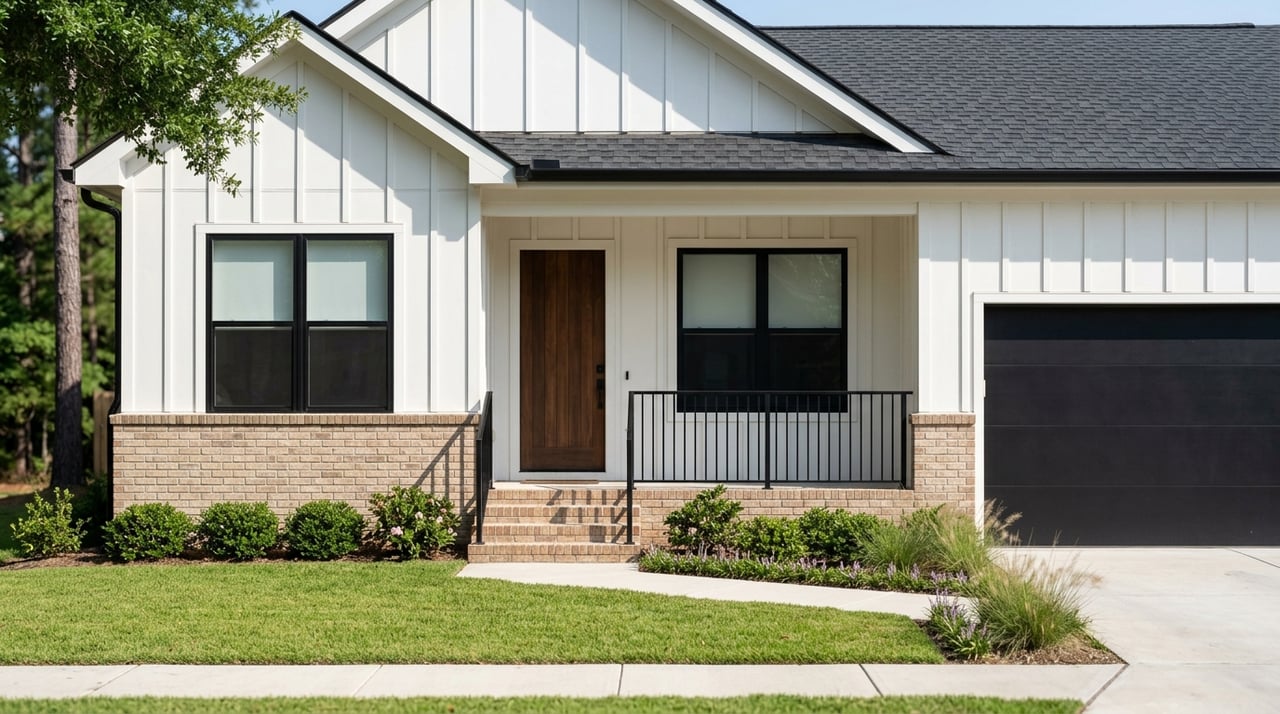
Trying to choose between a brand-new home and an established resale in The Woodlands? It is a common question, and the answer is not always as simple as “new is better” or “resale is cheaper.” If you are weighing lifestyle, timing, monthly cost, and long-term upkeep, this guide will help you compare your options with more clarity. Let’s dive in.
The Woodlands market shapes your options
The Woodlands is a 28,500-acre master-planned community with more than 123,000 residents and eight villages. Because it was founded in 1974 and has matured over time, the resale market is broad across established neighborhoods, while new construction is more limited and concentrated in select enclaves.
That matters when you start your search. In a community like The Woodlands, you are often not choosing between two identical homes on the same street. You are usually comparing a newer, builder-controlled opportunity in a smaller pocket versus a wider range of resale homes across established villages.
Recent pricing shows why this comparison matters. HAR reported a single-family median sold price of $690,000 in March 2026 and $664,000 in April 2026, while active single-family listings had a median asking price of $670,000 in June 2026. With prices often landing in similar ranges, the better choice often comes down to fit, not just sticker price.
New construction in The Woodlands
New construction in The Woodlands is not spread evenly throughout the community. Official model-home information points to Woodlands Reserve as an active new-home location, and The Woodlands builders page lists Frankel Building Group as a custom builder with broad design flexibility.
If you want more say in your layout, finishes, and sometimes lot selection, new construction can be very appealing. You may be able to choose cabinets, flooring, fixtures, and design details that match your style from day one.
For many buyers, that level of control reduces the need for immediate updates after move-in. Instead of budgeting for renovations right away, you are often starting with newer materials, newer systems, and a home built to current standards approved for that project.
Why buyers lean toward new homes
New homes tend to work well for buyers who value personalization and a more predictable early maintenance period. If you are relocating and want a cleaner, more streamlined start, a builder home can feel simpler on the front end.
Common reasons buyers prefer new construction include:
- More control over finishes and features
- Potentially lower near-term repair needs
- A home that feels move-in ready from day one
- The chance to buy in a newer enclave with current builder offerings
What to watch with new construction
A new home is not automatically the lower-cost option month to month. In The Woodlands, the exact village can make a big difference in your tax rate and your overall carrying cost.
The 2025 tax comparison from The Woodlands shows Creekside Park at a total tax rate of $2.43 per $100 valuation. Many Montgomery County villages on the same comparison fall roughly between $1.70 and $1.84 per $100 valuation. The same resource notes that Creekside Park is in Harris County and Tomball ISD, while most other villages are served by Conroe ISD.
That means your monthly payment can change meaningfully depending on where the home is located. When you compare two homes with similar list prices, it is smart to compare taxes, fees, and village-specific costs, not just the purchase price.
Resale homes in The Woodlands
Resale is where The Woodlands offers the most variety. Established villages such as Grogan’s Mill, Panther Creek, Cochran’s Crossing, Indian Springs, Alden Bridge, College Park, Sterling Ridge, Windsor Hills, and Windsor Lakes make up much of the resale market.
This wider inventory gives you more choices in lot size, trees, street setting, home style, and overall neighborhood feel. If you want a mature area with established landscaping and a broad range of floor plans, resale often opens more doors.
Resale can also be a strong fit if you like the idea of improving a home over time. In The Woodlands, an older home may offer the chance to renovate, update, or even pursue a major rebuild, depending on approvals and property specifics.
Why buyers lean toward resale
Many buyers choose resale because of selection. In a mature community, that matters a lot.
Common reasons buyers prefer resale include:
- More village options across The Woodlands
- Established lots with mature landscaping
- A broader range of architectural styles and floor plans
- Potential room for updates based on your budget and priorities
- Faster move-in potential in many cases
What to watch with resale
Resale due diligence is especially important in The Woodlands. The community’s residential standards state that new owners can inherit prior-owner covenant issues, and current owners are responsible for existing violations.
That means a resale purchase should include a careful review of any additions, exterior work, fencing, drainage changes, and permit history where relevant. On lots with mature trees, hardscape, grading, or older improvements, details matter.
The standards also emphasize natural drainage and plan review for improvements. So if a prior owner made changes without approval, that could become your issue after closing.
Timeline: how fast do you need to move?
Your timeline can be one of the biggest deciding factors. In Texas, different TREC contract forms are used for resale homes, new homes under completed construction, and new homes under incomplete construction.
In practical terms, new construction often takes longer because there may be a build phase before possession. Resale can often move faster once inspections, financing, and title work are complete.
If you need to line up a move with a job transfer, school calendar, lease ending, or home sale, this timing difference can matter just as much as price. A home that looks perfect on paper may not fit if the move-in date does not match your real life.
Customization: now or later?
If customization is your top priority, new construction usually has the edge. It gives you the chance to make finish selections and sometimes influence layout or design details before you move in.
With resale, customization usually comes later through renovation. That is not necessarily a downside, especially in a mature community where the standards specifically contemplate redevelopment of aging homes and updated construction techniques.
So the real question is this: do you want to pay for customization up front through the builder process, or would you rather buy a home with good bones and improve it over time? Your answer depends on your budget, patience, and appetite for projects.
Inspections and warranties
Some buyers assume a new home does not need an inspection. In reality, an independent inspection can still be useful, even with new construction, because it can help identify punch-list items and document concerns for warranty follow-up.
Builder warranties on newly built homes generally cover workmanship and materials for about one year, systems for about two years, and major structural defects for up to ten years. Many warranties require written claims and may involve mediation or arbitration, so it helps to understand the process before you close.
For resale homes, the inspection serves a different purpose. TREC says an inspection reports the home’s condition at the time of inspection and is not required to predict life expectancy or act as a code-compliance certificate.
That makes resale due diligence more focused on the condition of key components and the history of maintenance. Buyers often pay close attention to:
- Roof condition
- HVAC performance and age
- Plumbing concerns
- Foundation movement or related signs
- Drainage around the lot
- Prior repairs and overall upkeep
Texas resale sellers also provide a Seller’s Disclosure Notice. TREC’s 2026 update adds items including windstorm insurance coverage, private roads, above-ground storage tanks, and conservation easements, which can give buyers a fuller picture of the property.
Budget: compare monthly cost, not just price
It is easy to focus on the list price, but that is only part of the story. In The Woodlands, a smart comparison looks at your full monthly payment and likely near-term expenses.
New construction may reduce the chance of immediate repair costs, but taxes, association fees, and village-specific carrying costs can be higher in some areas. Resale may offer more village choice and sometimes more negotiating room, but you may need to budget for replacements, repairs, or cleanup of unapproved prior work.
A simple side-by-side comparison can help:
| Factor | New Construction | Resale Home |
|---|---|---|
| Inventory | Limited to select enclaves | Broad across established villages |
| Customization | High before move-in | Usually done later through renovation |
| Timeline | Often longer if still being built | Often faster after contract |
| Early maintenance | Often lower at first | May include near-term repair items |
| Due diligence | Review builder process, specs, warranty | Review condition, disclosures, prior work |
| Tax impact | Varies by village and county | Varies by village and county |
Which option fits you best?
A new construction home may be the better fit if you want a fresh start, design input, and fewer immediate projects. It can also suit relocating buyers who want a more predictable first year in the home, as long as the build timeline works for their move.
A resale home may be the better fit if you want more choices across The Woodlands, a mature setting, or a chance to create value through updates over time. It can also be a smart option if speed matters and you want to move sooner.
In The Woodlands, this decision is rarely one-size-fits-all. Village location, tax rate, timeline, property condition, and your long-term plans all matter.
The best next step is to compare homes the way you actually live, not just the way they look online. If you want help weighing new construction versus resale in The Woodlands, Beatriz Manchado can help you compare the numbers, the timing, and the tradeoffs so you can move forward with confidence.
FAQs
Is new construction common throughout The Woodlands?
- No. Because The Woodlands is a mature master-planned community, new construction is concentrated in select enclaves and builder-controlled projects rather than spread evenly across all villages.
Are resale homes easier to find in The Woodlands?
- Yes. Much of The Woodlands housing inventory is resale, especially in established villages such as Grogan’s Mill, Panther Creek, Cochran’s Crossing, Indian Springs, Alden Bridge, College Park, Sterling Ridge, Windsor Hills, and Windsor Lakes.
Do taxes vary by village in The Woodlands?
- Yes. The Woodlands’ 2025 tax comparison shows meaningful differences by village, including higher rates in Creekside Park than many Montgomery County villages, so you should compare monthly cost carefully.
Should you inspect a new construction home in The Woodlands?
- Yes. Even with a new home, an independent inspection can help identify punch-list items and document concerns that may need to be addressed under the builder’s warranty.
What should you review when buying a resale home in The Woodlands?
- You should review the home’s current condition, Seller’s Disclosure Notice, drainage, prior additions or exterior work, and any potential covenant or approval issues tied to past improvements.
Is resale or new construction faster for a move to The Woodlands?
- Resale is often faster because new construction may involve a build phase, while resale can usually move ahead once inspections, financing, and title work are completed.